
What to send for a useful test-bending result
Make a trial answer the questions that matter to production.
SMT editorial guide · 3 min read
Agree on the test before shipping
Send SMT the section drawing, material grade, temper and intended shape. We offer free test bending, but sample quantity, length, shipping arrangements and scope should be agreed before dispatch. Do not cut samples solely to finished-part length without checking feeding and trimming allowance.
Use representative material
A trial is more useful when the sample represents material you expect to process. Identify its batch, surface treatment and wall thickness. Explain any variation between suppliers or tempers. The engineer can then decide which sample best addresses the production question.
Define acceptance criteria
Explain target radius, allowable twist, end condition and surface requirements. Mark critical joining faces. Agree whether evaluation uses a template, dimensional measurements or another method. Photographs are helpful evidence, but do not replace measurements of critical dimensions.
Request a record you can compare
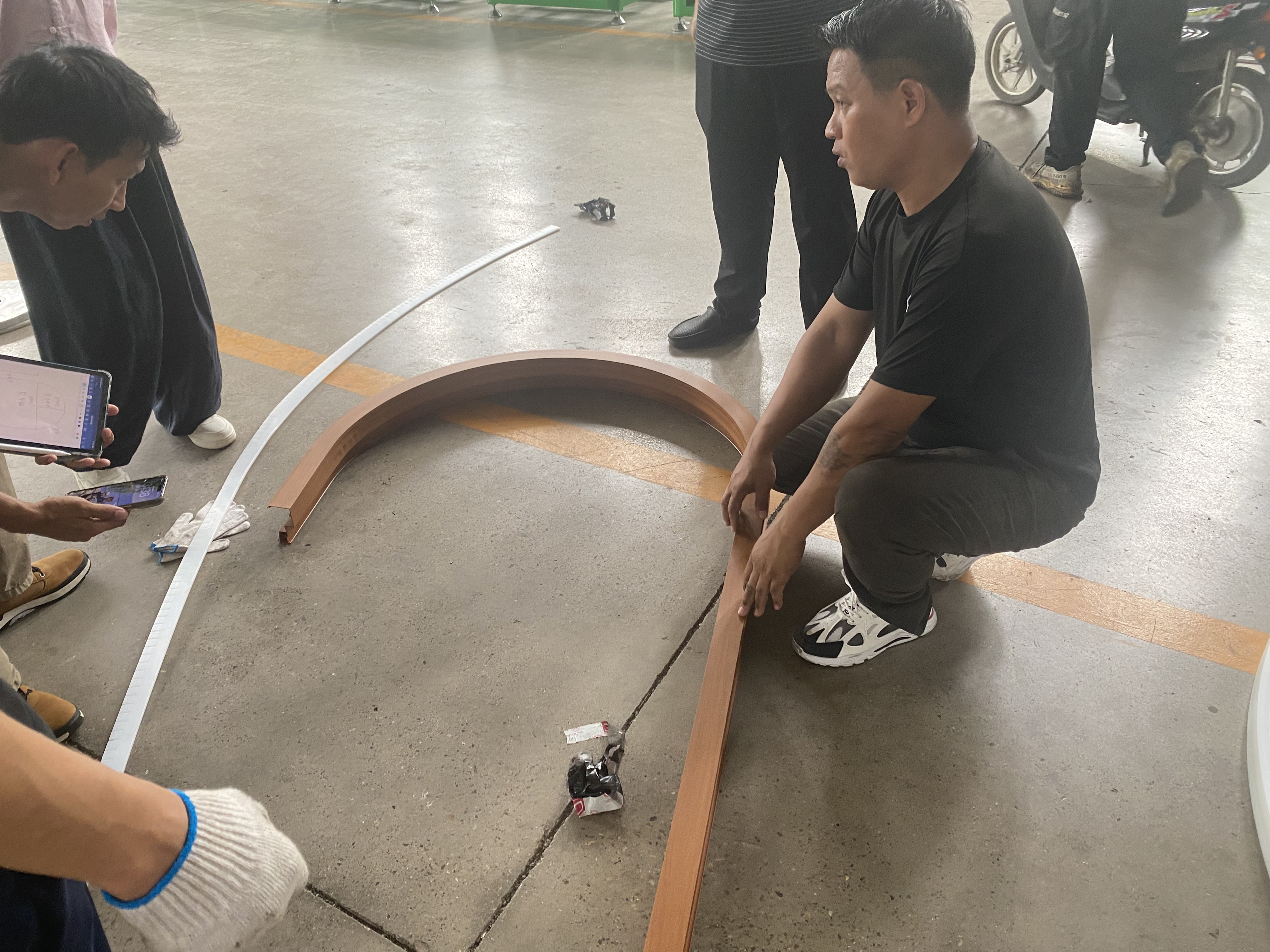
A useful record identifies the sample, machine configuration, tooling, target geometry and measured result. Request an operation video and clear photos of the unloaded part where appropriate. Record limitations, trimming or further work needed to reach the finished component.
Use the trial to settle the proposal
Review the result before confirming the order. The quotation should describe the tested configuration or explain changes. Repeat production also depends on material consistency, setup, training and agreed inspection practices.
Which machine fits your profile?
Send a drawing or clear section photos, material, wall thickness and target radius. Our engineers will review the job and recommend a machine and tooling arrangement.
 Chinese